The Psychology Behind Gaming Addiction: Signs and Solutions
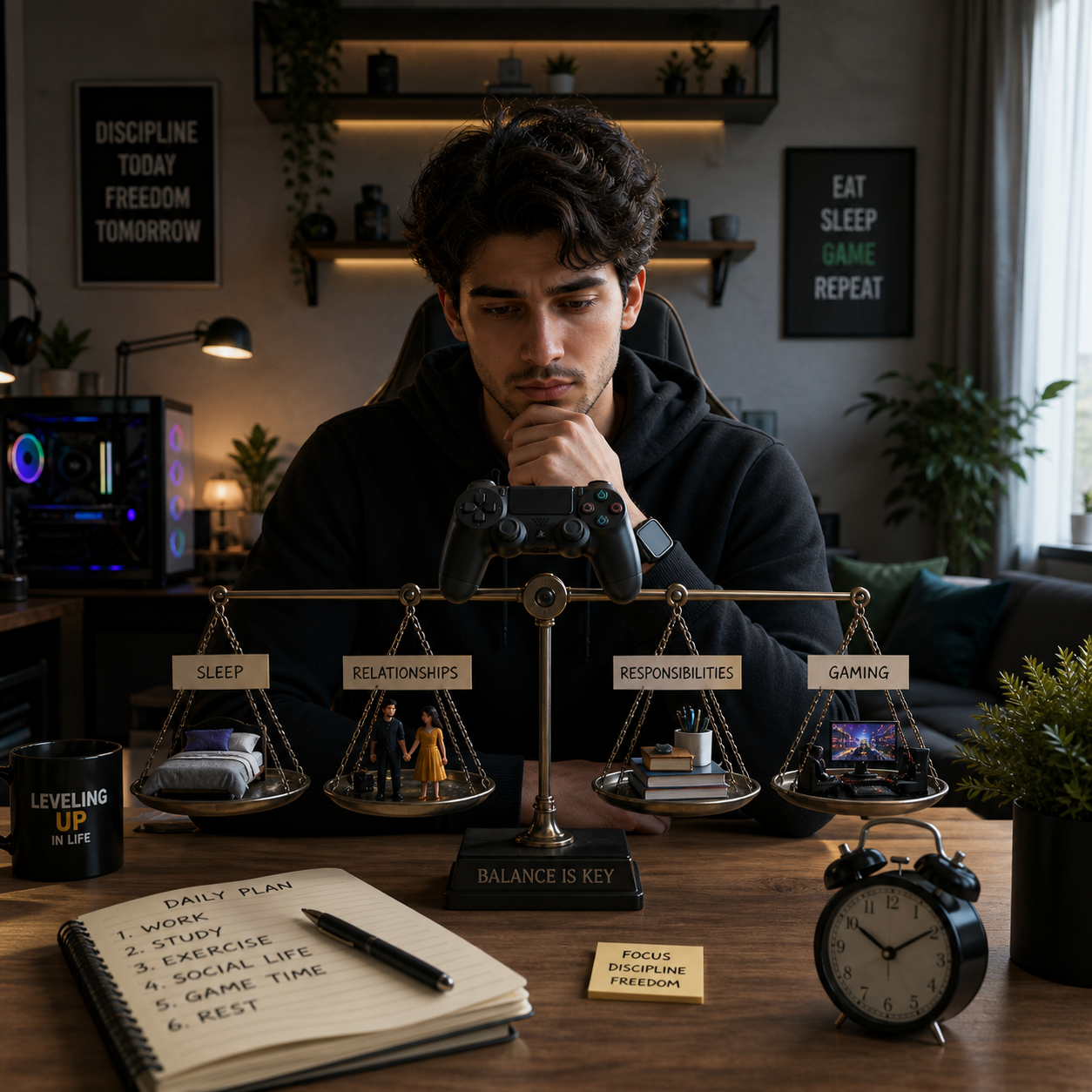
Gaming can provide challenge, friendship, creativity, and a strong sense of achievement. For most players, including people who train seriously for esports and gaming tournaments, frequent play is a meaningful hobby rather than a disorder. Concern arises when gaming becomes difficult to control and starts causing clear harm in daily life.
This article explains the psychology behind gaming addiction, often discussed clinically as gaming disorder, and outlines practical ways to regain balance. It offers general information, not a diagnosis. Only a qualified mental health professional can assess an individual’s situation.
Gaming Passion vs. Gaming Addiction
Gaming passion becomes a potential addiction when a person repeatedly loses control over play and continues despite significant harm to health, relationships, education, work, or other responsibilities. Time spent gaming alone does not establish a behavioral addiction.
A committed player may practice for several hours, follow a tournament schedule, or prioritize a competition for a limited period while still sleeping adequately, meeting obligations, and choosing when to stop. Competitive gaming can involve discipline, teamwork, strategic thinking, and social connection.
Problematic gaming has a different pattern. The central questions are about control, priority, and consequences:
- Can the player stop or reduce gaming when they intend to?
- Has gaming become more important than previously valued activities?
- Does the person continue even after repeated problems appear?
- Does the pattern persist over time rather than occurring during a short holiday or tournament season?
A tournament player who temporarily sleeps less before a major event may need better scheduling, but that situation is not automatically gaming disorder. By contrast, someone who misses classes, hides play, abandons relationships, and cannot reduce gaming after recognizing the damage may need support.
Why Gaming Can Become Compulsive
Compulsive gaming can develop when rewarding game systems repeatedly reinforce play, especially when gaming also helps a person escape stress, loneliness, anxiety, or low mood. Games do not affect every player in the same way, and psychological context matters.
Many games provide rapid feedback through points, levels, rankings, unlocks, quests, and visible progress. These features engage the brain’s reward system. Dopamine is involved in motivation, learning, and reinforcement; it is not simply a chemical that makes someone addicted. When an action reliably produces an appealing result, the brain learns to repeat it.
Online games add unpredictable rewards, social recognition, and shared goals. A close match, rare item, promotion, or positive response from teammates can make the next session feel especially compelling. The loop often looks like this:
- Trigger: boredom, stress, loneliness, or a game notification.
- Action: opening the game and entering a match or quest.
- Reward: excitement, progress, connection, relief, or recognition.
- Cost: lost sleep, delayed work, conflict, or reduced activity.
- Repeat: discomfort sends the person back to gaming for temporary relief.
Escapism is not automatically unhealthy. A game can be a reasonable way to relax after work. The risk increases when it becomes the main coping strategy and leaves no room for sleep, movement, problem-solving, or real-world support. In that case, gaming may relieve distress briefly while allowing the underlying problem to grow.
Common Signs of Gaming Addiction
The most concerning signs are persistent loss of control, increasing priority given to gaming, and continued play despite meaningful negative consequences. A checklist cannot diagnose gaming disorder, but repeated patterns can signal a need for closer attention.
Behavioral and emotional signs
- Frequent preoccupation with the next session, match, ranking, or in-game task.
- Repeated unsuccessful attempts to cut back, take a break, or stop.
- Irritability, restlessness, or strong frustration when gaming is interrupted. These withdrawal-like feelings can occur, but they do not prove addiction on their own.
- Using gaming to avoid difficult emotions while rarely addressing the source of distress.
- Needing longer sessions or greater intensity to achieve the same sense of satisfaction.
- Secrecy, lying, or minimizing the amount of time spent playing.
Practical warning signs
- Gaming through planned sleep, meals, hygiene, study, work, or appointments.
- Dropping exercise, hobbies, friendships, or family activities that once mattered.
- Continuing after academic, employment, relationship, or health problems have become obvious.
- Repeatedly missing team commitments or tournament responsibilities because play is poorly controlled.
- Physical effects such as fatigue, headaches, muscle discomfort, eye strain, or an irregular sleep schedule.
One late night or a period of intense tournament preparation is not enough to label someone. Look for duration, severity, and impairment. The more areas of life affected, and the harder it is to change the pattern, the more useful professional advice becomes.
How Gaming Addiction Affects Daily Life
Gaming addiction can affect relationships, performance, physical health, mood, and finances by gradually displacing basic routines and other sources of support. The effects vary, and gaming may coexist with anxiety, depression, ADHD, sleep problems, or other concerns that also deserve attention.
Relationships often suffer first through broken promises, distracted conversations, arguments about time, or withdrawal from shared activities. In school or work, the cost may appear as lateness, missed deadlines, poor concentration, or reduced performance. For esports participants, constant practice can also turn a previously enjoyable community into a source of pressure and conflict.
Physical health can decline when long sessions replace sleep, meals, movement, and breaks. Sitting for extended periods may contribute to stiffness and discomfort, while late-night stimulation and irregular schedules can make fatigue harder to reverse. Financial stress may arise from equipment purchases, subscriptions, tournament travel, or in-game spending, especially when decisions happen impulsively.
Mood can become tied to performance. Winning may bring temporary relief, while losses produce anger or shame that triggers more play. This cycle can narrow a person’s emotional world, making gaming feel like the only reliable source of achievement or belonging.
Practical Steps to Restore Balance
To restore balance, track the pattern, create specific limits, protect sleep and responsibilities, and replace gaming’s coping function with other forms of support. Small changes work better than vague promises to play less.
- Measure before changing. For seven days, record start and stop times, mood before playing, sleep, missed tasks, and spending. This reveals triggers and makes progress visible.
- Schedule gaming deliberately. Set a start time, an end time, and a stopping cue such as an alarm. Finish essential tasks first, and avoid open-ended sessions before sleep.
- Use friction. Disable nonessential notifications, remove automatic log-in where practical, keep devices outside the bedroom, and use platform time limits. These tools support self-control; they cannot replace it.
- Build protected routines. Aim for a consistent sleep window, regular meals, movement, daylight, and brief breaks during long sessions. A five-minute break every hour can help interrupt automatic play, although it does not make an unlimited session healthy.
- Restore alternatives. Choose activities that meet the same need as gaming: exercise for stimulation, a club for connection, creative work for mastery, or a conversation for emotional support.
- Discuss boundaries clearly. Families and teammates should agree on practical rules, such as no gaming during school hours, no overnight ranked sessions, and advance notice when tournament training changes the schedule.
A useful framework is the CARE check: Control over stopping, Activities beyond gaming, Rest and physical health, and Effects on relationships and responsibilities. Review it weekly rather than judging yourself after one difficult day.
When and How to Seek Professional Help
Professional help is appropriate when gaming-related impairment persists, self-directed limits repeatedly fail, or gaming is closely tied to severe distress, unsafe behavior, or another mental health concern. Early support can prevent problems from becoming more entrenched.
Start with a licensed psychologist, psychiatrist, counselor, physician, or another qualified mental health professional familiar with behavioral addictions and gaming-related concerns. They can assess sleep, mood, anxiety, attention, substance use, family circumstances, and the role gaming plays in coping. Treatment may include cognitive behavioral strategies, motivational interviewing, family work, or support for a coexisting condition.
Friends and family can help by describing observable facts rather than attacking character: “You have missed three shifts and slept four hours most nights,” is more useful than “You are addicted.” Ask open questions, listen without mocking gaming, and offer practical help with finding care. Avoid sudden confiscation or humiliation unless immediate safety requires urgent action.
If someone expresses suicidal thoughts, cannot care for basic needs, or faces immediate danger, contact local emergency services or a crisis service promptly. Gaming should not be treated as the sole cause of a crisis, but it can be part of a wider situation requiring timely support.
Building a Healthier Relationship With Gaming
A healthier relationship with gaming allows enjoyment, competition, and community participation while keeping sleep, responsibilities, relationships, and physical wellbeing protected. The goal is sustainable choice, not punishment or permanent abstinence for every player.
Before a session, decide what you plan to play and when you will stop. Afterward, check whether gaming delivered what you wanted: relaxation, social connection, challenge, or escape. If it repeatedly leaves you exhausted or distressed, change the routine rather than simply blaming yourself.
Relapse prevention matters because old triggers can return during exams, job stress, conflict, illness, or a major tournament. Write down early warning signs, such as hiding play, skipping sleep, or abandoning non-gaming activities. Prepare a response: contact a trusted person, pause ranked play, restore a sleep routine, and review the schedule within 24 hours.
Teams and tournament communities can reinforce healthier norms by respecting offline commitments, discouraging overnight practice, and treating breaks as part of performance rather than weakness. Regular check-ins every few weeks can catch drift early.
Frequently Asked Questions
What is the difference between gaming enthusiasm and gaming addiction?
Gaming enthusiasm involves high interest with reasonable control and preserved functioning. Gaming addiction involves persistent impaired control, gaming taking priority over other areas, and continued play despite significant harm.
Can gaming addiction affect mental and physical health?
Yes. Compulsive gaming may contribute to sleep disruption, inactivity, fatigue, conflict, low mood, and stress. It can also coexist with mental health conditions, so a professional assessment should consider the whole picture.
How can I set healthy gaming limits?
Track play, schedule sessions, use stopping alarms, protect sleep, disable unnecessary notifications, take regular breaks, and keep important responsibilities outside gaming time. Make limits specific enough to follow.
How should I approach someone whose gaming seems compulsive?
Choose a calm moment, describe concrete changes, listen to their perspective, and offer support without shame. Encourage professional help if impairment continues or attempts to reduce gaming repeatedly fail.
When should someone seek professional help?
Seek help when gaming causes persistent problems at school, work, home, or in health; when the person cannot cut back; or when gaming is linked with severe emotional distress. Urgent danger requires immediate local crisis or emergency support.