eSports 101: How to Start Your Competitive Gaming Journey
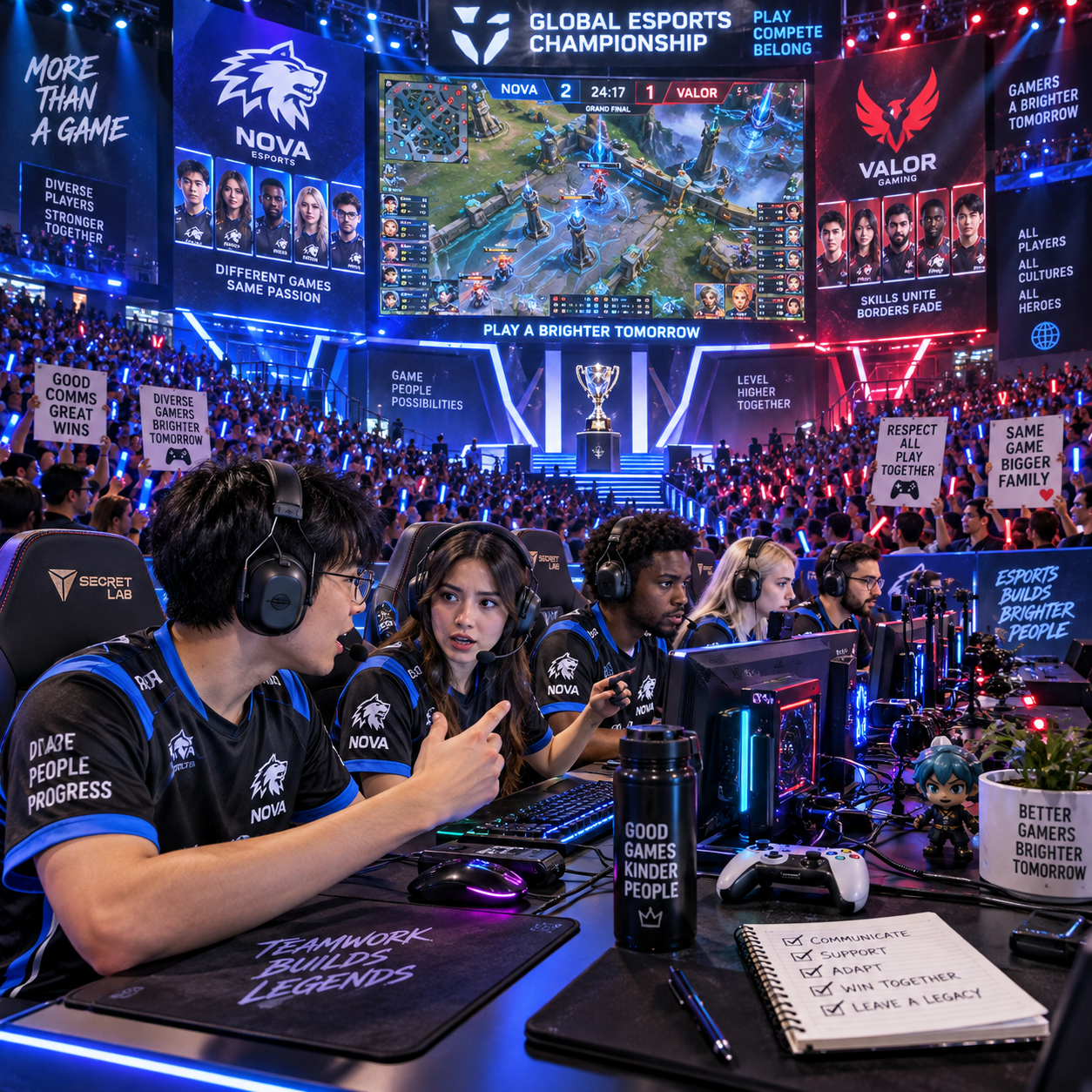
Starting an eSports journey means turning ordinary play into purposeful improvement. You do not need elite hardware, a famous team, or a professional contract to begin. A suitable game, consistent practice routine, reliable communication, and respect for tournament rules are enough to take your first serious step.
What Is eSports and How Does Competitive Gaming Work?
eSports is organized competitive gaming in which individuals or teams play multiplayer games under agreed rules, often through ranked ladders, leagues, and tournaments. Competitors may play online or at live events, with results determined by objectives, rounds, matches, or series.
Competitive gaming covers several formats. First-person shooters often emphasize aim, positioning, map control, and teamwork. Multiplayer online battle arenas commonly use game roles such as tank, support, damage, or jungler, while strategy games reward planning and resource management. Fighting games usually feature individual competition, precise mechanics, matchup knowledge, and adaptation.
Most players begin with ranked play. A ranking system matches you with opponents near your current level and provides a measurable way to track progress. Ranked matches are useful, but they are not a complete measure of skill. Tournament performance also depends on communication, preparation, nerves, scheduling, and understanding specific tournament rules.
Organized eSports usually develops through a ladder: public matches, community events, online tournaments, amateur leagues, and increasingly competitive circuits. Some games support solo competition, while others require fixed teams. You can learn about the broader competitive gaming landscape through the history and structure of eSports, but your practical starting point is the game community you want to join.
Choose the Right Game for You
The right competitive game matches your interests, available time, preferred roles, learning style, and access to active tournaments. Choose a game you genuinely enjoy because improvement requires repeated practice long after the novelty fades.
Begin by comparing genres and core mechanics. Ask yourself whether you prefer fast reactions, tactical planning, precise execution, teamwork, or direct one-on-one competition. A game with complex mechanics may offer greater depth, but its learning curve can make early progress slower. A simpler game may be easier to enter while still demanding high-level decision-making.
Use the five-part game filter
- Enjoyment: Would you still want to play after a difficult loss?
- Role fit: Do the available game roles suit your personality and strengths?
- Community activity: Are there active ranked queues, Discord communities, online tournaments, and beginner events?
- Practical access: Can your current device and internet connection run the game reliably?
- Competition structure: Does the tournament ecosystem offer solo, duo, or team-based entry points?
Try two or three candidates for a week rather than switching every day. Notice which game makes you curious about improvement. That curiosity matters more than choosing a title because someone else calls it the most competitive.
Build the Skills Competitive Players Need
Competitive players improve fastest when they develop game knowledge, mechanics, communication, decision-making, and teamwork together. Winning more games is useful evidence, but better positioning and clearer decisions often show progress before the results do.
Game knowledge includes maps, objectives, character or weapon strengths, timing windows, common strategies, and win conditions. Mechanics cover aiming, movement, combos, building, ability use, or resource control, depending on the game. Learn one role or playstyle deeply before trying to master everything at once.
Decision-making separates deliberate play from frantic reactions. Before an important action, consider three questions: What information do I have? What is the opponent likely to do? What outcome gives my team the safest advantage? You will not always choose correctly, but reviewing the reasoning creates faster improvement than blaming luck.
Communication should be short, relevant, and calm. Call positions, cooldowns, objectives, and intended actions. Avoid flooding voice chat with frustration. In team games, teammates need information they can act on, not a running description of every mistake.
Adaptability matters because opponents will counter predictable habits. After each match, identify one repeated problem, such as overextending, missing early resources, or failing to track an opponent. Work on that problem deliberately in the next session.
Create a Practical Training Routine
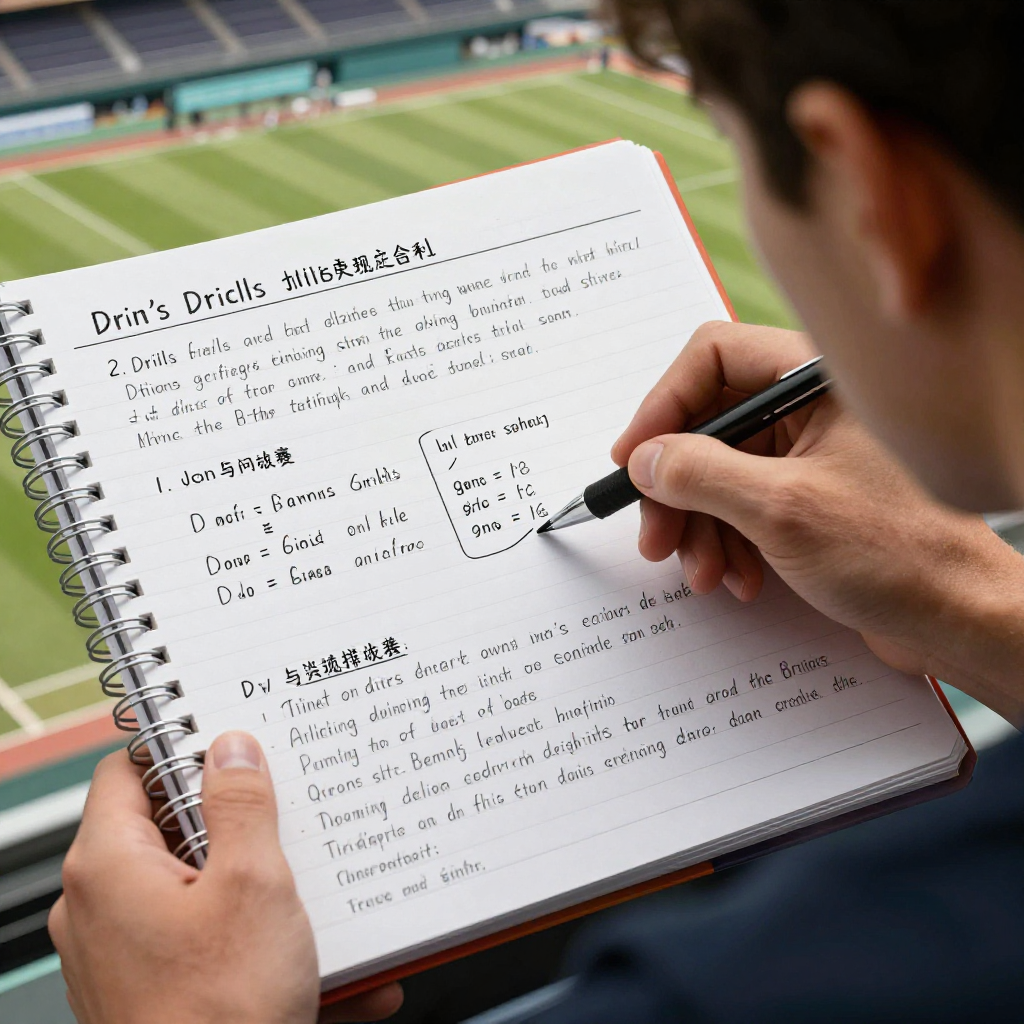
To build a useful practice routine, divide your session into a warm-up, focused practice, competitive matches, review, and recovery. A structured 60-to-90-minute session is usually more productive than playing for four unfocused hours.
- Warm up for 10 to 15 minutes: Use an aim trainer, movement drill, combo practice, last-hitting exercise, or custom map suited to your game.
- Choose one focus for 15 to 20 minutes: Practice a specific mechanic or situation, such as crosshair placement, defensive positioning, or objective timing.
- Play two to four ranked matches: Apply the focus without trying to fix every weakness simultaneously.
- Review one replay or VOD: Pause before major decisions and predict what you should have done. Compare that answer with the actual outcome.
- Record a simple metric: Track deaths caused by positioning, missed opportunities, communication errors, or poor resource use.
Take a five-minute break between matches, and stop when fatigue turns decisions into frustration. Sleep, hydration, posture, and regular movement affect concentration. The goal is sustainable repetition, not maximum hours.
Measure progress beyond rank. You might reduce unnecessary deaths from eight to five per match, make earlier objective calls, or communicate more consistently. Those improvements often support ranking gains later.
Prepare Your Gaming Setup and Online Profile
A competitive gaming setup needs reliable performance and clear communication, not luxury equipment. Stable frame rates, responsive controls, a dependable internet connection, and comfortable ergonomics matter more than premium branding.
Start with the equipment you already own. Upgrade only when a specific limitation affects play. A functional mouse or controller, a comfortable keyboard, a headset with a clear microphone, and a display with acceptable input response are enough for many beginners. Choosing expensive peripherals for status creates cost without automatically improving decision-making.
Use wired internet when possible, or position your router to reduce interference. Test your connection before a tournament and avoid downloads or streaming on the same network during matches. Configure sensitivity, key binds, audio, and graphics settings during practice rather than changing them immediately before competition.
Protect your account with a unique password and multi-factor authentication where available. Never share login details, use unauthorized software, or accept account boosting. Cheating and account sharing can lead to bans and damage your reputation across the community.
Create a clear player identity: use a consistent handle, list your primary game and role, and keep your profile appropriate for teammates and tournament organizers. A short introduction can state your availability, preferred position, experience level, and communication style. Professionalism begins before your first bracket.
Find Teammates, Scrims, and Beginner Tournaments
Find teammates through game communities, team-finding channels, local gaming groups, tournament platforms, and organized scrims. The best early teammates are reliable, communicative, and willing to review mistakes, even if they are still developing mechanically.
When looking for a team, be specific. Include your game, region, age eligibility when relevant, preferred role, current rank, schedule, microphone status, and goals. You may find a stronger match by describing your availability honestly instead of claiming experience you do not have.
Evaluate potential teammates over several sessions. Look for punctuality, constructive feedback, emotional control, and willingness to follow a plan. A mechanically talented player who repeatedly abandons matches or insults others can cost more progress than a less experienced player with dependable habits.
Scrims are practice matches against another organized team. Treat them as experiments rather than informal tournaments. Agree on start time, maps, format, substitutions, and whether replay files will be shared. For solo games, use community lobbies and small online brackets to develop tournament habits.
Check each event’s eligibility, platform, region, entry fee, check-in deadline, match format, prize conditions, and dispute process. Beginner-friendly tournaments often provide the safest first experience because organizers expect new competitors to need clear instructions.
Enter Your First Tournament and Keep Improving
To enter your first eSports tournament, register early, read every rule, confirm your schedule, test your setup, and communicate clearly with organizers and opponents. Your first goal should be completing the event professionally, not instantly winning the bracket.
Before registration, verify whether the tournament requires an account, team roster, age consent, platform verification, or region eligibility. Save the schedule and check-in instructions somewhere accessible. For team events, confirm who handles registration and who contacts an administrator if a problem occurs.
A simple tournament-day checklist
- Check the start time and check-in window.
- Confirm every player is online and using the correct account.
- Test audio, controls, connection, and game updates beforehand.
- Keep the bracket link and organizer contact available.
- Read map, side-selection, pause, overtime, and disconnect rules.
- Capture screenshots or match results if the platform requires proof.
Sportsmanship is part of competitive skill. Follow referee decisions, avoid harassment, do not exploit bugs unless rules explicitly allow them, and report cheating through the official process. A loss can reveal preparation gaps, poor communication, or a predictable strategy. Review those details after emotions settle, then select one correction for your next practice block.
Set goals across three timeframes. This week, complete three focused sessions and one community event. Over the next month, improve a measurable weakness and play with consistent teammates. Over several months, decide whether you want to pursue higher-ranked leagues, coaching, content creation, or simply stronger competition. There is no single correct destination.
eSports Beginner FAQ
How much does it cost to start competing in eSports?
You can begin with an existing console or computer, the game itself, a stable connection, and basic peripherals. Costs rise if you need a new device, paid entry fees, travel, coaching, or upgrades, so start with free or low-cost online tournaments and replace equipment only when performance problems are clear.
Do I need a team to enter an eSports tournament?
No. Fighting games and some strategy titles commonly support individual competition, while team-based games may offer free-agent sign-ups, solo registration pools, or community matchmaking. If a team is required, use team-finding channels and attend scrims before committing.
Which games are best for eSports beginners?
The best choice is an active game you enjoy that matches your preferred format and equipment. Look for accessible ranked play, clear tournament rules, active communities, and beginner events rather than chasing the largest prize pool.
How often should I practice competitive gaming?
Three to five focused sessions per week can provide steady progress for many players. Session quality matters more than exhausting playtime. Include breaks, sleep, and at least some review so practice remains sustainable.
Can casual players become competitive eSports players?
Yes. Casual players can develop competitive habits through deliberate practice, ranked play, replay analysis, teamwork, and small tournaments. Improvement is possible, but professional success is never guaranteed, so define success around skills and goals you can control.